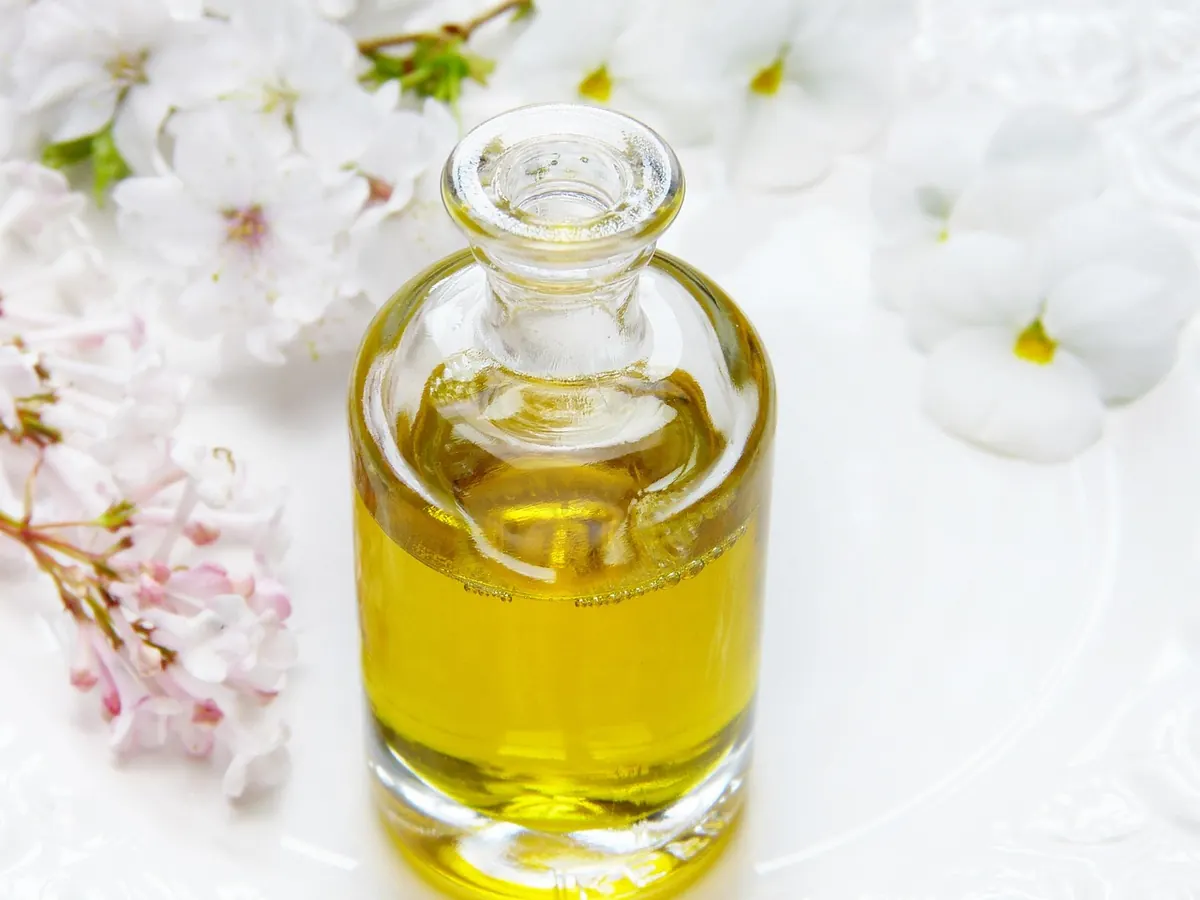
Pour a spoonful of cold-pressed sunflower oil onto a white plate and it may look a little cloudy, a little darker than the pale, almost invisible oil in the supermarket bottle. Those are clues. They tell you the oil came out of a press rather than a refinery, and that the seed behind it was probably grown close to home. At a farm mill, this is the oil made in small batches each season: nothing added, nothing stripped out, just sunflower seed and pressure. What follows is what that actually means, from the first step of pressing to the last spoonful in the bottle.
What Cold Pressing Actually Means
Cold pressing is mechanical work, not chemistry. Sunflower seed is cleaned, dried and fed into a screw press, where it is crushed against a steel barrel. The oil runs out through narrow slots while the solid cake is pushed out of the far end. No solvent is used to chase the last traces of oil from the meal, and no heat is applied during pressing. Friction warms the seed a little as it moves through the press, but temperatures stay far below those used in industrial extraction.
That difference matters, because heat changes oil. It speeds up extraction and gets more oil out of every kilo of seed, but it also drives off the aromatic compounds that give fresh oil its smell and taste, and it hastens oxidation. Cold pressing accepts a lower yield in exchange for character. You get less oil per sack of seed, and what you get tastes like sunflower seed rather than like nothing at all.
After pressing, the oil rests in steel tanks so fine particles can settle to the bottom. Some mills then pass it through a cloth or paper filter; others bottle it after settling alone and let a little sediment travel with it. Both approaches are legitimate. It is simply worth knowing which one you are buying, because it affects how the oil looks in the bottle and how quickly it clears.
One caution about the label. "Cold-pressed" is a widely used term and not everywhere tightly defined. A mill that presses on site should be able to tell you exactly when the seed was harvested, when the oil was pressed and whether any heat was used at any stage, including during drying. If nobody can answer those questions, treat the wording on the bottle as marketing rather than fact.
Taste, Colour and That Bit of Sediment
Cold-pressed sunflower oil tastes of something. Expect a soft, nutty flavour with a faint green or grassy edge, and in some batches a gentle toastiness picked up during drying. The colour runs from pale gold to deeper amber depending on the harvest, the variety and how long the oil sat before bottling. Refined sunflower oil, by contrast, is heated, treated, filtered and deodorised until it is clear, neutral and nearly tasteless. It is a good product for what it does. It is just not the same thing.
Because the flavour is present, it has consequences in the kitchen. A robust oil can overwhelm a delicate dressing or a light fish. Used with a little thought, though, it earns its place: a thread of it over warm boiled potatoes, a spoonful beaten into a bowl of hummus, a drizzle across grilled vegetables as they come off the heat. Treat it partly as a condiment and you will get more from the bottle.
Haze or a thin layer of sediment at the bottom is seed material settling out. It is harmless. Some people decant the clear oil and save the cloudy last portion for cooking; others simply shake the bottle before pouring. Either habit is fine. What matters is that the oil smells fresh when you open it, not dusty or faintly like old nuts.
In the Kitchen: Where It Earns Its Place
Raw and unheated
This is where cold-pressed oil shows off. Use it for vinaigrettes, for finishing soups and braises, for dressing a bowl of beans or lentils, for bread with salt, for anything that will not be cooked after the oil goes on. Add it at the end rather than the beginning, so the aroma reaches the table intact.
Gentle heat
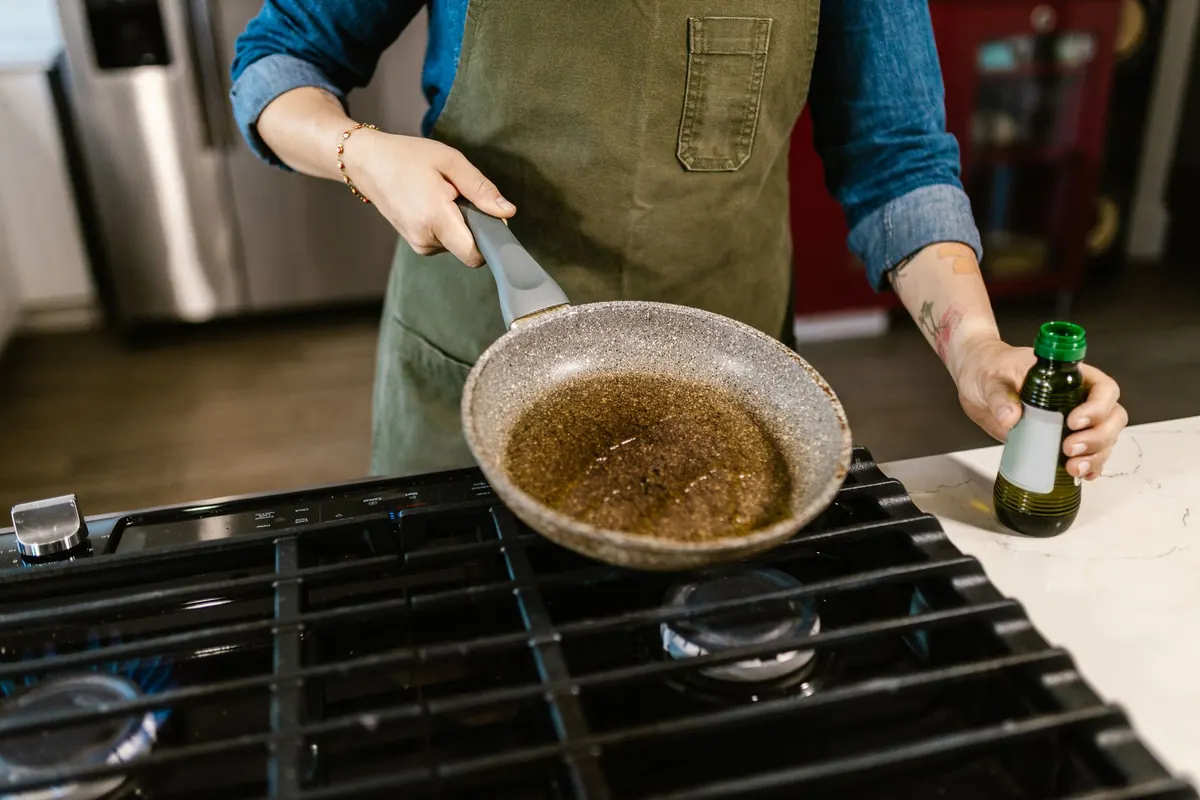
Sautéing onions, softening garlic, pan-frying at moderate heat, roasting vegetables in a medium oven: all comfortable territory. Bear in mind that cold-pressed oils begin to smoke at lower temperatures than refined ones, and the exact point varies from batch to batch. Watch the pan rather than the clock. Once an oil smokes it has been pushed past its useful range, so turn the heat down and do not save that oil for another round. For hard searing or deep frying, a refined oil is the more sensible tool; cold-pressed oil is at its best below that level of heat.
Baking
Sunflower oil works well in cakes, muffins and bread doughs, where its mild nuttiness sits comfortably alongside honey, oats or apple. It can also stand in for melted butter: a rough rule of thumb is to use about three-quarters of the butter weight in oil, then adjust the next time you bake. Cakes made this way keep well for a couple of days, though they brown a little faster, so drop the oven temperature slightly if you notice the edges catching.
Storage: A Few Simple Habits
Fresh oil is not fragile, but it does not last forever either. Light, heat and air are the three things that turn it stale, and all three are easy to control.
- Keep it dark. A tinted glass bottle or a tin in a closed cupboard beats a clear bottle on a sunny windowsill.
- Keep it cool. A pantry away from the oven and the radiator is ideal. There is no need to refrigerate, though you can; the oil may cloud and thicken, and it will clear again at room temperature.
- Keep the cap tight. Half-empty bottles oxidise faster, so buy a size you will finish in a few months rather than a year.
- Do not top up old oil with new. Pour out what you need and leave the rest undisturbed.
- Trust your nose. Fresh oil smells of seed and slightly of cut grass. Oil that smells of crayons, putty or old walnuts has turned and belongs in the compost, not in a dressing.
Questions Worth Asking at the Mill
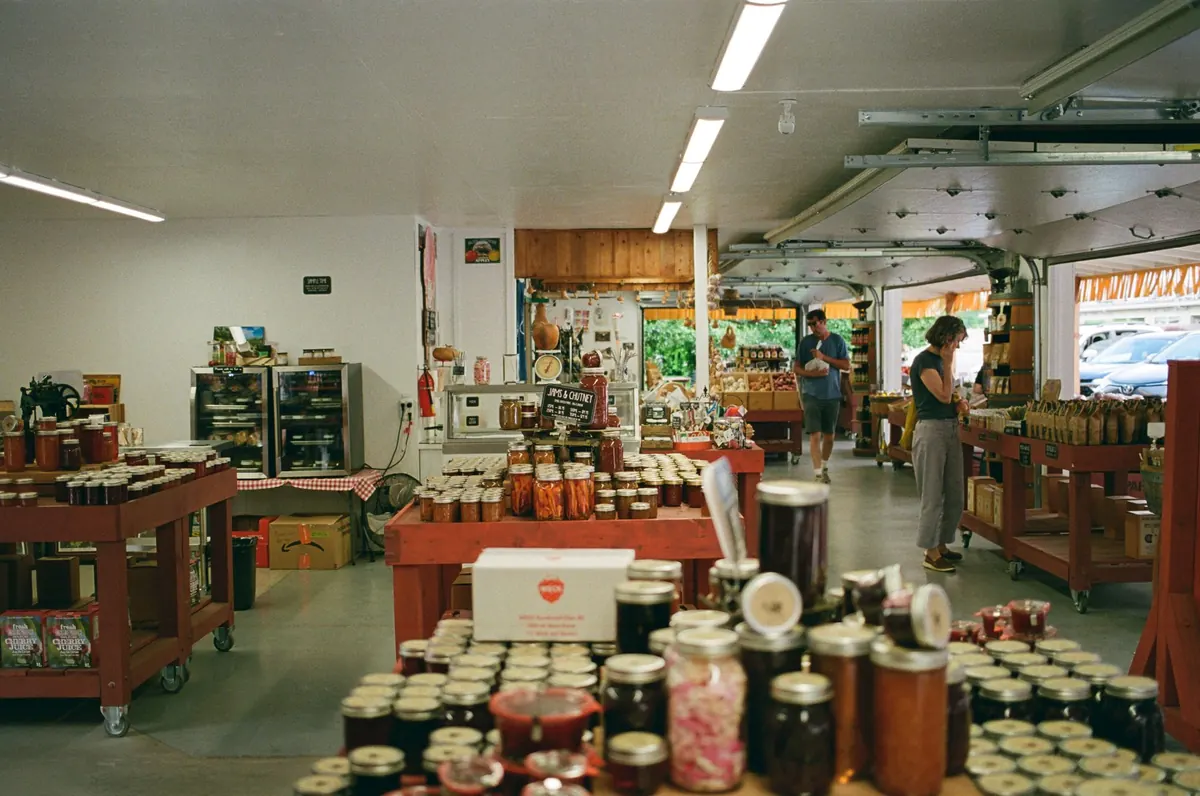
Buying direct is one of the pleasures of a farm mill, and it comes with the chance to ask things a supermarket label will never tell you.
- When was this oil pressed, and from which harvest?
- Was the seed dried with heat before pressing?
- Is the oil filtered, or only settled?
- How is it bottled, and how long do you expect it to keep?
- Is it a single-variety oil or a blend of whatever was ready that week?
None of these questions has a single right answer, but the replies tell you a great deal about how the mill works and how the oil will behave in your kitchen. A miller who presses in small batches usually enjoys talking about it.
Keeping It Simple
Cold-pressed sunflower oil is not a difficult ingredient. Buy a bottle you can finish within a few months, keep it in a dark cupboard, use it raw wherever flavour counts, cook with it over moderate heat, and stop short of the smoking point. That is the whole method. What you get in return is an oil with a season, a smell and a character that a neutral refined bottle cannot offer, and a short line of connection back to a field of sunflowers and the press that turned them into something you can pour.
Photo: silviarita / Pixabay