Sunflower products look simple from a distance: a bag of seeds, a bottle of oil, a scoop of flour. Up close, at a working mill, the differences matter. Two bags can sit side by side on the same table and be a season apart in freshness; one oil may be cold-pressed and another refined; one bag of seeds hulled, the other still wearing its shells. Knowing what separates them turns a pleasant impulse buy into something you finish, enjoy, and come back for.
Start With the Counter, Not the Shelf
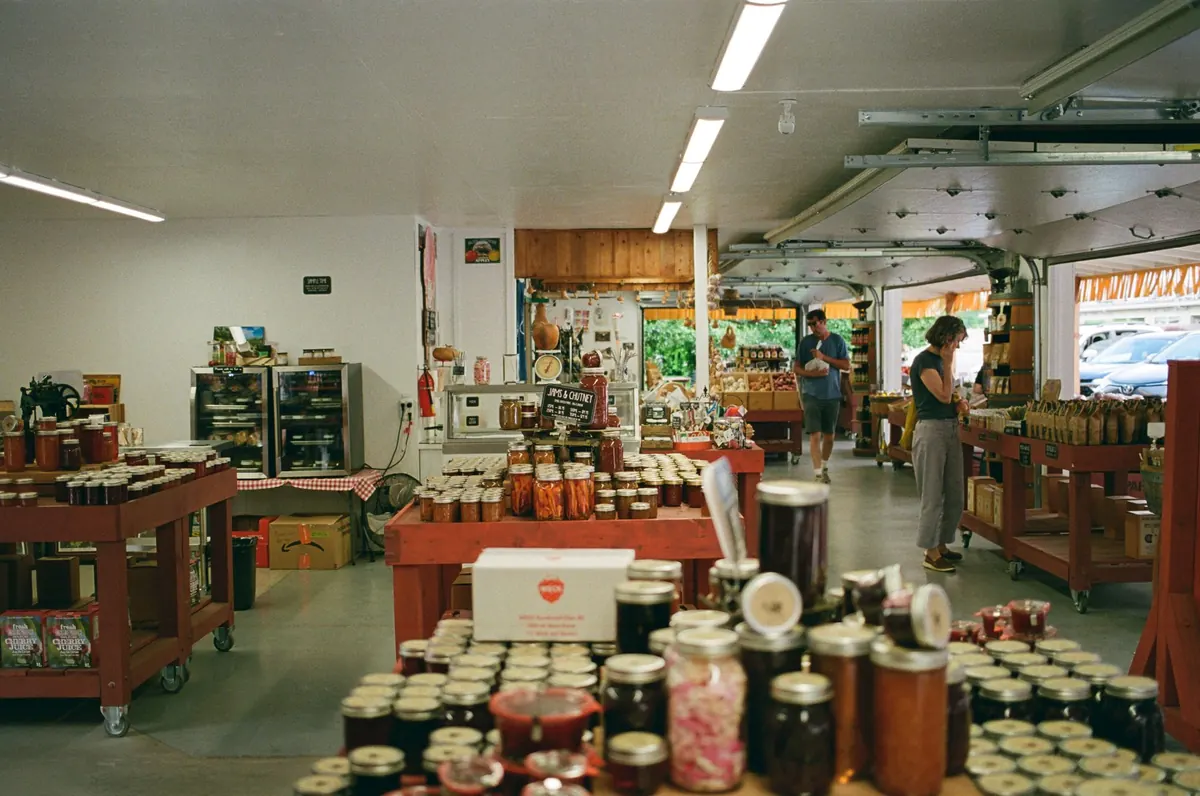
The most useful thing in a farm mill is rarely the packaging. It is the person weighing out your order. They know which sack was opened on Monday, which oil came from last summer's harvest, and which flour is moving quickly enough to be worth your money. Use that.
Good questions to ask, in roughly this order:
- When were these seeds packed, or this oil pressed?
- How long would you keep this at home before it starts to fade?
- Is this from your own harvest or bought in?
- What do you sell most of, and what do you cook with yourself?
That last question is more revealing than any label. A mill that presses oil in small batches will usually tell you plainly which bottle is the freshest, and staff tend to be honest about the products they actually use at their own tables.
Buy smaller quantities than you would in a supermarket. A litre of cold-pressed oil bought in spring may be tired by autumn; two half-litres, opened as you need them, usually serve you better. The same goes for seeds and stone-ground flour, both of which lose their best qualities long before they become unsafe to eat.
Learn to read dates properly. A "best before" date tells you the end of the story, not the beginning. Look instead for a milled-on, pressed-on or harvest year, and if there isn't one, ask. A mill that can answer that question quickly is usually a mill worth buying from.
Sunflower Seeds: Hulls, Size and the Smell Test
Most of the seeds sold at a farm mill fall into two groups, and they behave quite differently in the kitchen.
Hulled versus in-shell
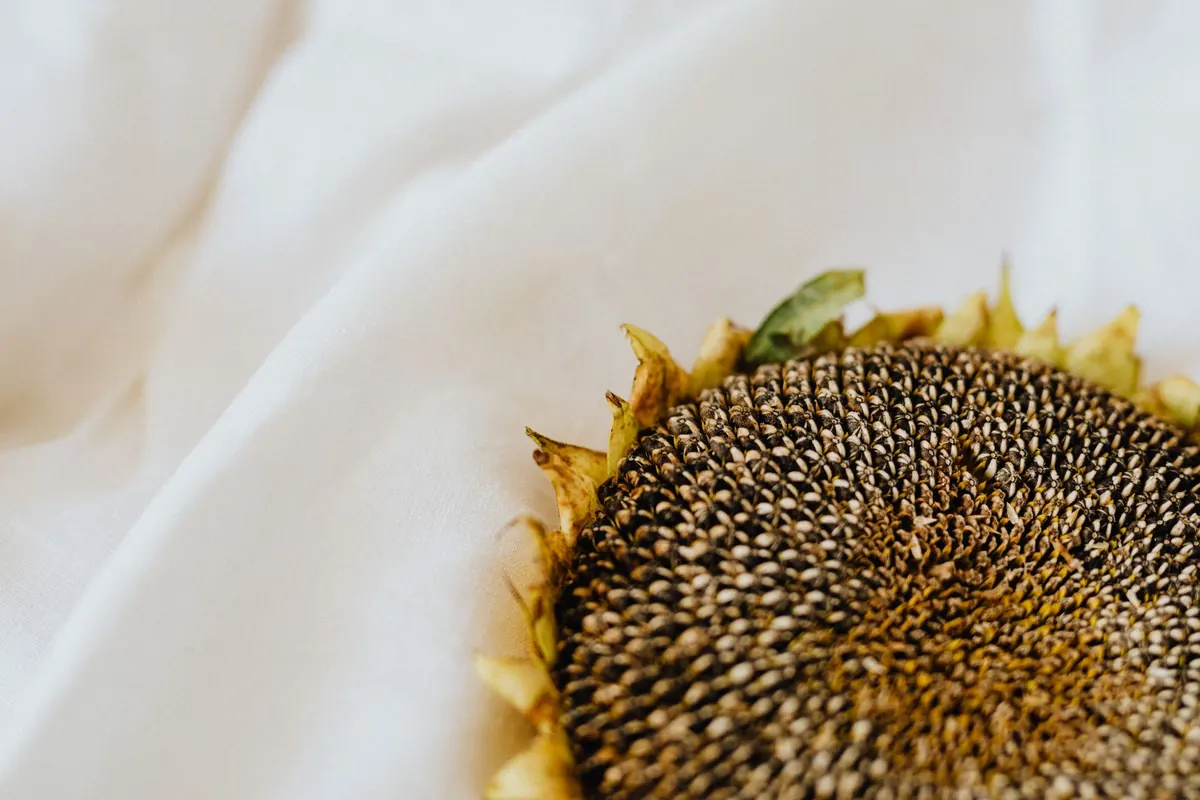
In-shell seeds are the snacking kind. The shell protects the kernel, so they keep well, travel well and are forgiving if you forget about them for a few weeks. They are also slower to eat, which is not always a bad thing.
Hulled seeds — the pale, tear-shaped kernels — are the working ingredient. They go into bread dough, granola, pesto, salads, seed butter and the topping of almost any loaf. Because the protective shell is gone, they turn rancid faster. Buy them in quantities you will finish within a month or two, keep them in a sealed jar away from light and heat, and consider the fridge in summer.
What fresh seeds look and smell like
Tip a little into your hand. Fresh seeds are plump and fairly uniform, with no fine dust collecting at the bottom of the bag and no shrivelled, dark-edged kernels. Then smell them. They should be mild and faintly nutty, almost sweet. A dusty, crayon-like or slightly bitter smell means the oils have started to turn, and no amount of toasting will bring them back.
Smaller, black-seeded varieties are usually the oilseed type, denser and higher in oil; the larger striped seeds are grown for eating. If you plan to make your own seed milk or butter, ask which type the mill recommends for blending, because the difference in texture is noticeable.
Sunflower Oil: Reading the Label Without Guessing
Oil is where labels get vague and prices spread out. Two bottles can look almost identical and be entirely different products.
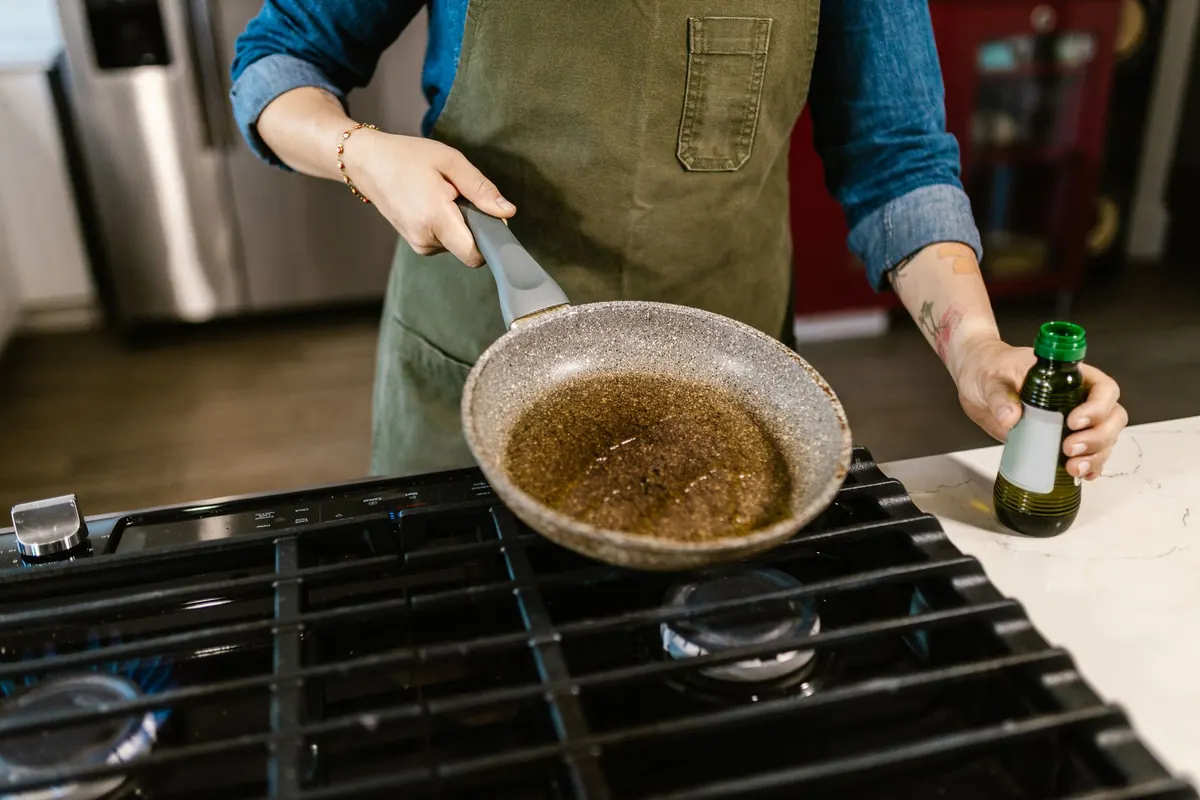
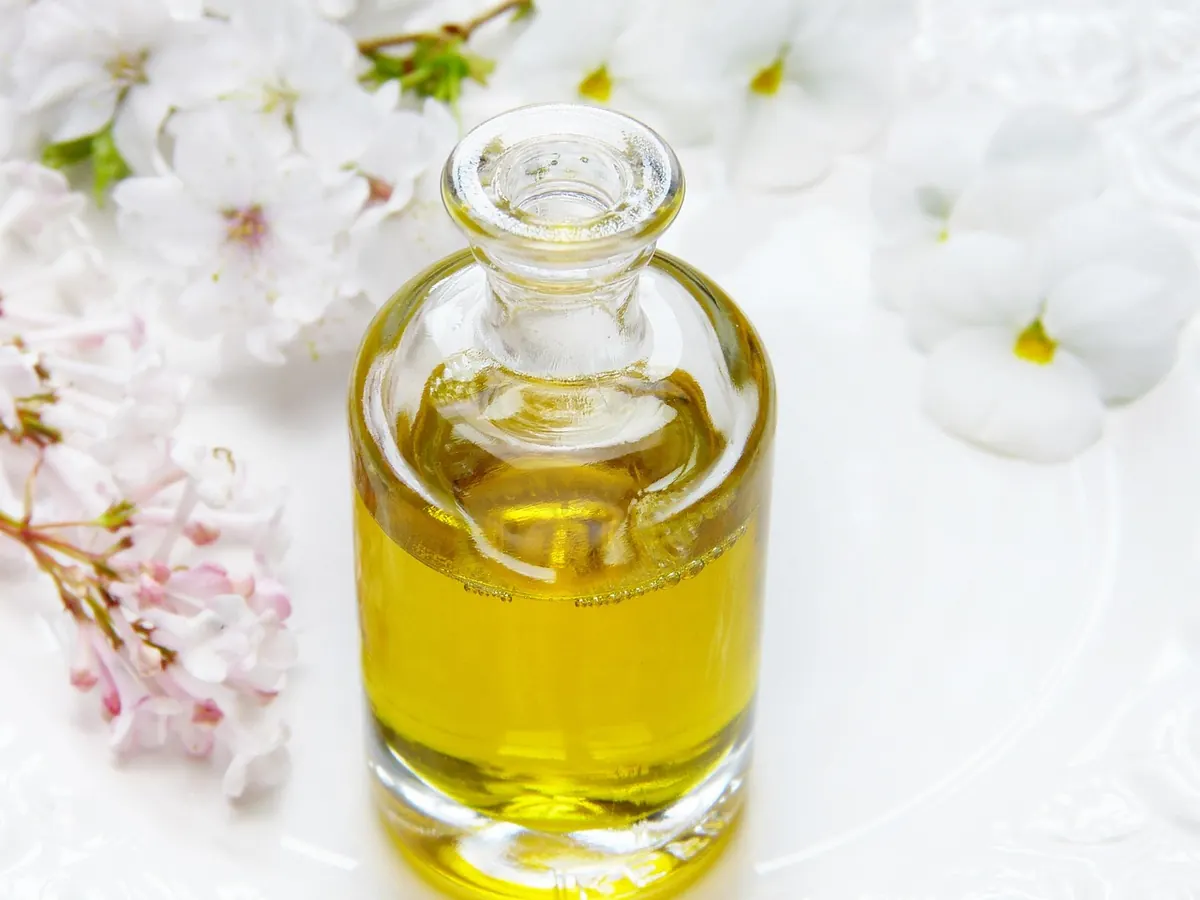
Cold-pressed oil is extracted mechanically at low temperature. It keeps more of the seed's flavour — golden, nutty, sometimes slightly grassy — and it does not enjoy high heat. Use it for dressings, for finishing soups, for drizzling over roasted vegetables once they leave the oven. Refined oil is milder, cleaner-tasting and far more tolerant of heat, which is why it ends up in frying pans and commercial kitchens.
Watch for borrowed language. "Extra virgin" is a regulated category for olive oil, not a meaningful one for sunflower, so treat it as decoration rather than a guarantee. Words that do help: a pressing date, a harvest year, the variety grown, and dark glass or a tin that keeps light off the oil. Light and heat are the two things that age a bottle fastest.
If the mill offers a taste, take it. Fresh sunflower oil tastes clean and slightly sweet, with a finish that fades quickly. Bitterness or a scratchy feeling at the back of the throat suggests the oil is past its best. Store your bottle somewhere cool and dark, not on the windowsill beside the stove, and use it within a few months of opening.
On health claims, keep your expectations grounded. Sunflower oil is a cooking fat, not a remedy, and any change to your diet for a medical reason is worth discussing with a qualified professional rather than deciding at a farm shop counter.
Sunflower Flour: A Different Baking Habit
Sunflower flour — ground from the seed, sometimes partly defatted after pressing — is the least understood product on most mill tables. It is not a straight swap for wheat. There is no gluten, so it will not build structure on its own, and it absorbs water differently from grain flours. Expect dense results if you use it alone.
A reliable approach:
- Start by replacing one-fifth of your usual flour in a recipe you already know well.
- Add liquid gradually; sunflower flour often needs a little more than you expect.
- Bake a small test batch before committing a whole tin's worth of ingredients.
- Note whether the flour you bought was partly defatted, since it behaves differently from full-fat flour.
Freshness matters more here than with most pantry items. Whole-seed flours go stale quickly, and a faint paint-like smell is the signal to stop. Smell the bag before you buy, ask when it was ground, and store it in the freezer if you bake only occasionally.
Gifts and Bundles: What Travels Well
A mill is an easy place to assemble a present, but not everything survives a car boot or a suitcase. In-shell seeds, small sealed bottles of cold-pressed oil and tightly closed bags of flour all travel well, especially with a handwritten note about how to store them. Seed packets for planting are a lovely gift too — check the year on the packet, since germination drops as seeds age.
Less practical: large oil bottles for anyone flying hand luggage only, open jars, and freshly ground flour for a recipient who may leave it in a cupboard for six months. If you want a bundle that gets used, pair a small oil with a bag of hulled seeds and a simple recipe card. That combination covers dressings, baking and breakfast, and nothing in it will go off before it is opened.
One practical note on allergies: seeds and oils are often handled in the same space as other produce. If you are buying for someone with a seed or nut allergy, ask directly about shared equipment and cleaning between batches.
A Short Checklist Before You Leave the Mill
- You know when the seeds were packed and the oil pressed.
- You have smelled the seeds and, if possible, tasted the oil.
- You bought quantities you can finish in a few weeks or months.
- You know whether the flour is full-fat or partly defatted, and how to store it.
- You asked which products the staff use themselves.
- Your gifts will survive the journey home and the recipient's cupboard.
Buy a little less than you think you need the first time. Then cook with it, notice how it behaves, and let the second visit be the one where you stock up. That is how most regulars at a farm mill learn the range — one bottle, one bag, one honest conversation at a time.
Photo: Kobe - / Pexels